Search by Topic
Stay Connected!
LIKE Us on Facebook!
Social Media Connections
-
Connect: email, text or WhatsApp +1-919-274-6194, FB Messenger, IG
-
Why Travel With Us: We Are Cultural Educators
-
- We know the culture! We are locally owned and operated.
- Eric Chavez Santiago is Zapotec, born and raised in Teotitlan del Valle, Oaxaca.
- Norma Schafer has been living in Oaxaca for almost 20 years.
- We have deep connections with artists and artisans.
- 63% of our travelers repeat -- high ratings, high satisfaction.
- Wide ranging expertise: textiles, folk art, pottery, cultural wisdom.
- We give you a deep immersion to best know Oaxaca and Mexico.
-
Creating Connection and Meaning between travelers and with indigenous artisans. Meet makers where they live and work. Join small groups of like-minded explorers. Go deep into remote villages. Gain insights. Support cultural heritage and sustainable traditions ie. hand weaving and natural dyeing. Create value and memories. Enjoy hands-on experiences. Make a difference.
-
What is a Study Tour: Our programs are learning experiences, and as such we talk with makers about how and why they create, what is meaningful to them, the ancient history of patterning and design, use of color, tradition and innovation, values and cultural continuity, and the social context within which they work. First and foremost, we are educators. Norma worked in top US universities for over 35 years and Eric founded the education department at Oaxaca’s textile museum. We create connection.
-

-
OCN Creates Student Scholarship at Oaxaca Learning Center Giving back is a core value. Read about it here!
Why We Left, Expat Anthology: Norma’s Personal Essay

Norma contributes personal essay, How Oaxaca Became Home
We Contribute Two Chapters!
Click image to order yours!
-
-
-
Meet Makers. Make a Difference
-
Oaxaca Cultural Navigator LLC has offered programs in Mexico since 2006. We have over 30 years of university, textile and artisan development experience. See About Us.
-
Programs can be scheduled to meet your independent travel plans. Send us your available dates.
-
Designers, retailers, wholesalers, curators, universities and others come to us to develop artisan relationships, customized itineraries, study abroad programs, meetings and conferences. It's our pleasure to make arrangements.
-
Select Clients *Abeja Boutique, Houston *Selvedge Magazine-London, UK *Esprit Travel and Tours *Penland School of Crafts *North Carolina State University *WARP Weave a Real Peace *Methodist University *MINNA-Goods *Smockingbird Kids *University of North Carolina at Chapel Hill
-
Tell us how we can put a program together for you! Send an email norma.schafer@icloud.com
PRESS
- WEAVE Podcast: Oaxaca Coast Textiles & Tour
- NY Times, Weavers Embrace Natural Dye Alternatives
- NY Times, Open Thread–Style News
- NY Times, 36-Hours: Oaxaca, Mexico
Our Favorites
- Cooking Classes–El Sabor Zapoteco
- Currency Converter
- Fe y Lola Rugs by Chavez Santiago Family
- Friends of Oaxaca Folk Art
- Hoofing It In Oaxaca Hikes
- Living Textiles of Mexico
- Mexican Indigenous Textiles Project
- Museo Textil de Oaxaca
- Oaxaca Lending Library
- Oaxaca Weather
- Taller Teñido a Mano Natural Dyes
Norma Schafer + Eric Chavez Santiago — Featured in The NY Times — Commentary, Workshops, Tours + Travel

-
Why We Left, Expat Anthology: Norma’s Personal Essay
Norma contributes personal essay, How Oaxaca Became Home
We Contribute Two Chapters!
Click image to order yours!
-
-


-
-
Shop Oaxaca Culture
-
SHOP OPEN
-
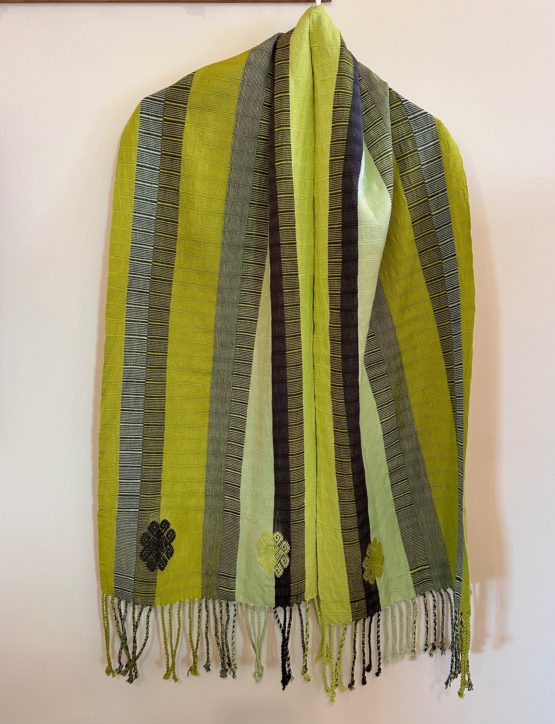
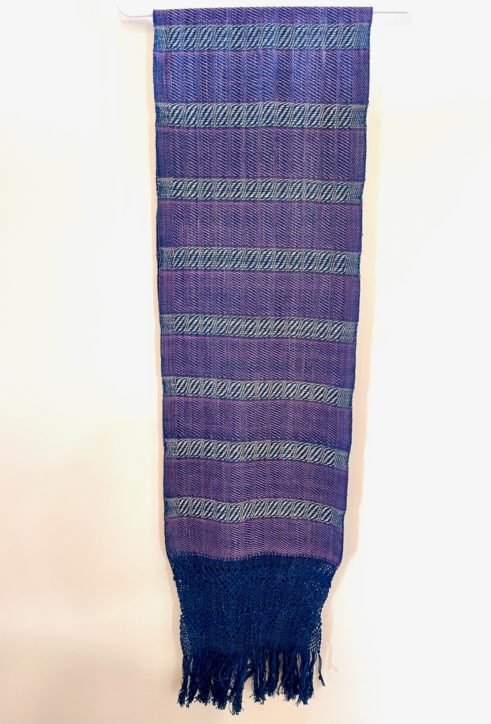
-
Our Programs: Study Tours + Workshops
-
-
Hands-on Natural Dye Workshops.
-
We offer textile experiences in our studio where we work only in natural dyes.You can see the process during our textile tours and dye workshops.
-
Oaxaca Natural Dye Workshops: Choose 1, 2 or 3 Days Set your own dates. Just added: One-Day Indigo Dye Workshop click link for details
-
Oaxaca has the largest and most diverse textile culture in Mexico! Learn about it.
-
When you visit Oaxaca immerse yourself in our textile culture: How is indigenous clothing made, what is the best value, most economical, finest available. Suitable for adults only. Set your own dates.
-
One-Day Custom Tours: Tell Us When You Want to Go!
-
Ruta del Mezcal One-Day Tour. We start the day with pottery, visiting a master, then have lunch with a Traditional Oaxaca Cook who is the master of mole making. In Mitla, we meet with our favorite flying shuttle loom weaver, and then finish off with a mezcal tasting at a palenque you will NEVER find on your own! Schedule at your convenience!
-
1-Day Ocotlan Highway Folk Art Study Tour. Visit woodcarvers, back-strap loom weavers, museums and markets. Transportation to/from the city. Ask us to take you.
-
1-Day Tlacolula Valley Folk Art Study Tour. Visit wool, cotton and silk weavers who make clothing, home goods, rugs, and handbags.
-
1/2-Day Oaxaca Walking Tour We take you to hidden textile + folk art gems in Oaxaca City!
-
2024 Tours + Workshops
-
October 27, 28, 29: People and Place Photography Workshop in Teotitlán Del Valle with Luvia Lazo, featured in The New Yorker Magazine. Portraits and Street Photography, recipient of Leica Women Foto Project Award Winner 2024. This is an insider's Street and Portrait photography experience. We visit families in their homes to arrange photo sessions, we take you on the back streets where tourists rarely go.
-
October 30: Day of the Dead in Teotitlan del Valle--Altars and Studio Visits. A one-day immersion into culture, traditions, and meaning in Teotitlan del Valle. In this traditional village, where the native language is still spoken, we take you to meet local artisans who also explain their personal family traditions including who and what is on the altar and why. P.S. We know Teotitlan. We live here!
-
November 1: Day of the Dead Magic in Mitla--Visit the cemetery with our local host, understand the meaning of the pre-Hispanic altar, help honor the ancestors with offerings, enjoy a traditional meal of mole negro, a feast day speciality in Mitla. A one-day immersion experience.
-
2025 Tours + Workshops
-
January 2-8, Women's Creative Writing Retreat: Inspirations for a New Year. For novice and seasoned writers. Led by Marcia Meier, award-winning writer, editor, coach, publisher. Send us an email.
-
January 11-19, Oaxaca Coast Textile Study Tour. Visit five remote weaving villages on the Costa Chica--Pacific Coast. See backstrap loom weaving, natural dyeing with rare purple snail dye, diverse language, culture, food. Discover Afro-Mestizo roots. This is one of our more Amazing study tours! We will not offer this tour in 2026! Don't miss it.
-
February 6-15: Guatemala Textile Study Tour: Cloth and Culture. Discover Antigua, Lake Atitlan and Panajachel, Chichicastenango Market, and visit Coban where they weave fine gauze cloth called pikbil. SOLD OUT
-
February 27-March 6: Looking for Frida Kahlo + Diego Rivera in Mexico City: Art History with a Textile Twist. Send us an email. Space limited to 12. A cultural, social and political immersion into what makes Mexico tick. Museums, galleries, delicious food, textile and design extravaganza.
-
March 12-17: Deep Into the Mixteca Alta: Oaxaca Textile + Folk Art Study Tour 2025. This is cultural immersion at its best! Following the Dominican Route, we visit potteries, churches, Triqui weavers working in natural dyes, a cooperative in Tijaltepec that makes smocked blouses, the expansive Tlaxiaco Saturday Tianguis. Experience another side of Oaxaca.
-
Questions? Want TO REGISTER or more info? Send an email to Norma Schafer.
-
Maps: Teotitlan + Tlacolula Market--Send Email Address
-
We require 48-hour advance notice for map orders to be processed. We send a printable map via email PDF after your order is received. Please be sure to send your email address. Where to see natural dyed rugs in Teotitlan del Valle and layout of the Sunday Tlacolula Market, with favorite eating, shopping, ATMs. Click Here to Buy Map After you click, be sure to check PayPal to ensure your email address isn't hidden from us. We fulfill each map order personally. It is not automatic.
Dye Master Dolores Santiago Arrellanas with son Omar Chavez Santiago, weaver and dyer, Fey y Lola Rugs, Teotitlan del Valle

Since 2007: Use Search Box to Find Topic
- May 2024
- April 2024
- March 2024
- February 2024
- January 2024
- December 2023
- November 2023
- October 2023
- September 2023
- August 2023
- July 2023
- June 2023
- May 2023
- April 2023
- March 2023
- February 2023
- January 2023
- December 2022
- November 2022
- October 2022
- September 2022
- August 2022
- July 2022
- June 2022
- May 2022
- April 2022
- March 2022
- February 2022
- January 2022
- December 2021
- November 2021
- October 2021
- September 2021
- August 2021
- July 2021
- June 2021
- May 2021
- April 2021
- March 2021
- February 2021
- January 2021
- December 2020
- November 2020
- October 2020
- September 2020
- August 2020
- July 2020
- June 2020
- May 2020
- April 2020
- March 2020
- February 2020
- January 2020
- December 2019
- November 2019
- October 2019
- September 2019
- August 2019
- July 2019
- June 2019
- May 2019
- April 2019
- March 2019
- February 2019
- January 2019
- December 2018
- November 2018
- October 2018
- September 2018
- August 2018
- July 2018
- June 2018
- May 2018
- April 2018
- March 2018
- February 2018
- January 2018
- December 2017
- November 2017
- October 2017
- September 2017
- August 2017
- July 2017
- June 2017
- May 2017
- April 2017
- March 2017
- February 2017
- January 2017
- December 2016
- November 2016
- October 2016
- September 2016
- August 2016
- July 2016
- June 2016
- May 2016
- April 2016
- March 2016
- February 2016
- January 2016
- December 2015
- November 2015
- October 2015
- September 2015
- August 2015
- July 2015
- June 2015
- May 2015
- April 2015
- March 2015
- February 2015
- January 2015
- December 2014
- November 2014
- October 2014
- September 2014
- August 2014
- July 2014
- June 2014
- May 2014
- April 2014
- March 2014
- February 2014
- January 2014
- December 2013
- November 2013
- October 2013
- September 2013
- August 2013
- July 2013
- June 2013
- May 2013
- April 2013
- March 2013
- February 2013
- January 2013
- December 2012
- November 2012
- October 2012
- September 2012
- August 2012
- July 2012
- June 2012
- May 2012
- April 2012
- March 2012
- February 2012
- January 2012
- December 2011
- November 2011
- October 2011
- September 2011
- August 2011
- July 2011
- June 2011
- May 2011
- April 2011
- March 2011
- February 2011
- January 2011
- December 2010
- November 2010
- October 2010
- September 2010
- August 2010
- July 2010
- June 2010
- May 2010
- April 2010
- March 2010
- February 2010
- January 2010
- December 2009
- November 2009
- October 2009
- September 2009
- August 2009
- July 2009
- June 2009
- May 2009
- April 2009
- March 2009
- February 2009
- January 2009
- December 2008
- November 2008
- October 2008
- September 2008
- August 2008
- July 2008
- June 2008
- May 2008
- April 2008
- March 2008
- February 2008
- January 2008
- December 2007
- November 2007
Our Favorites
- Cooking Classes–El Sabor Zapoteco Reyna Mendoza Ruiz teaches traditional recipes in her Teotitlan del Valle home. 0
- Currency Converter Find today’s exchange rate for the Mexican Peso and 163 other currencies. 0
- Fe y Lola Rugs by Chavez Santiago Family Family operated, handwoven rugs, 100% natural dyes, Av. 5 de Mayo #408 0
- Friends of Oaxaca Folk Art A foundation to support Oaxaca folk artists 0
- Hoofing It In Oaxaca Hikes Weekly walks and hikes 0
- Living Textiles of Mexico Textile history, tradition, design from Sheri Brautigam. 0
- Mexican Indigenous Textiles Project Documenting indigenous textiles with photos for identification 0
- Museo Textil de Oaxaca Mexico’s only textile museum 0
- Oaxaca Lending Library Expat resources 0
- Oaxaca Weather Know what to pack! 0
- Taller Teñido a Mano Natural Dyes Dye workshops, naturally dyed yarns, threads and clothing 0
https://www.apostolicchristianfaith.com/profile/slot-gacor/profile
https://www.milfordanimalhospital.com/profile/slot-gacor/profile
https://www.trippercz.com/profile/slot-gacor/profile
https://en.bodysculpt.shop/profile/slot-gacor/profile
https://www.kbeautylike.com/profile/slot-gacor/profile
https://www.fwca-stl.com/profile/slot-gacor/profile
https://www.everycloudvapehut.co.uk/profile/slot-gacor/profile
https://www.artforlife.center/profile/slot-gacor/profile
https://www.pipestonelinks.com/profile/slot-gacor/profile
https://www.findinghopeconsulting.com/profile/slot-gacor/profile
https://www.ironlegionstrengthco.com/profile/daftar-link-slot-gacor-sensational/profile
https://www.thebuckleys.net/profile/daftar-link-slot-gacor-sensational/profile
https://www.thepetcampus.com/profile/daftar-link-slot-gacor-sensational/profile
https://www.plakaexpress.com/profile/daftar-link-slot-gacor-sensational/profile
https://www.surebetsite.com/profile/daftar-link-slot-gacor-sensational/profile
https://www.sashamassage.co.uk/profile/judi-slot-online-jackpot-terbesar-gampang-menang/profile
https://www.g2gbasketball.com/profile/judi-slot-online-jackpot-terbesar-gampang-menang/profile
https://www.racks4reptiles.co.uk/profile/judi-slot-online-jackpot-terbesar-gampang-menang/profile
https://www.lvccread.org/profile/judi-slot-online-jackpot-terbesar-gampang-menang/profile
https://www.nipponkenjin.com/profile/daftar-bo-slot-online-gacor-terpercaya-hari-ini-2022/profile
https://www.educationelixir.com/profile/daftar-bo-slot-online-gacor-terpercaya-hari-ini-2022/profile
https://www.mikamika.de/profile/daftar-situs-bo-judi-slot-online-terbaik-dan-terpercaya/profile
https://www.framepack.com.au/profile/daftar-situs-bo-judi-slot-online-terbaik-dan-terpercaya/profile
Situs Judi Slot Terbaik Dan Terpercaya No 1
Situs Judi Slot Online Deposit Dana
Judi Slot Online Jackpot Terbesar
Situs Judi Slot Online Gampang Menang
Daftar Situs Judi Slot Online Terpercaya
Situs Judi Slot Online Jackpot Terbesar
https://larrysoutlet.com/situs-judi-slot-online-terbaik-dan-terpercaya-no-1/
https://achitabla.com/wp-includes/link-slot-gacor-terpercaya/
https://rednails.store/slot-gampang-menang-jackpot-terbesar/
https://www.bigdawgusa.com/slot-gampang-menang-maxwin/
https://primetechcabinets.com/slot-gampang-menang/
https://hushmedspa.com/slot-gacor/
https://authorwbk.com/slot-gacor/
https://epusenergy.com/slot-gacor/
https://abckidsclub.pl/slot-gacor/
https://barstowhealthpartners.com/slot-gacor/
https://integratenetwork.org/community/profile/situs-slot-gacor-2022-terbaru-dan-terpercaya/
https://www.bauschdental.com/profile/situs-slot-gacor-2022-terbaru-dan-terpercaya/profile
https://www.olivasdegramado.com.br/profile/link-situs-slot-gacor-2022-terbaru-dan-terpercaya/profile
https://www.pro-roofingnc.com/profile/10-link-slot-terbaru-terpercaya-gampang-menang/profile
https://www.gatewayfamilyservices.org/profile/10-link-slot-terbaru-terpercaya-gampang-menang/profile
https://www.medmotion.org/profile/situs-10-link-slot-terbaru-terpercaya-gampang-menang/profile
https://www.campingsantanna.com/de/profile/10-link-slot-terbaru-terpercaya-gampang-menang/profile
https://www.bauschdental.com/profile/10-link-slot-terbaru-terpercaya-gampang-menang/profile
https://www.foxholegame.com/profile/10-link-slot-terbaru-terpercaya-gampang-menang-2022/profile
https://www.pro-roofingnc.com/profile/15-situs-slot-gacor-terbaik-gampang-menang/profile
https://www.gatewayfamilyservices.org/profile/15-situs-slot-gacor-terbaik-gampang-menang/profile
https://www.medmotion.org/profile/15-situs-slot-gacor-terbaik-gampang-menang/profile
https://www.campingsantanna.com/de/profile/15-situs-slot-gacor-terbaik-gampang-menang/profile
https://www.bauschdental.com/profile/15-situs-slot-gacor-terbaik-gampang-menang-maxwin/profile
https://www.foxholegame.com/profile/15-situs-slot-gacor-terbaik-gampang-menang-terbaru/profile
https://www.muffinsgeneralmarket.com/profile/15-situs-slot-gacor-terbaik-gampang-menang/profile
https://www.pro-roofingnc.com/profile/daftar-situs-judi-slot-gacor-gampang-menang/profile
https://www.campingsantanna.com/de/profile/daftar-situs-judi-slot-gacor-gampang-menang/profile
https://www.medmotion.org/profile/daftar-situs-judi-slot-gacor-gampang-menang-maxwin/profile
https://www.bauschdental.com/profile/daftar-situs-judi-slot-gacor-gampang-menang/profile
https://www.foxholegame.com/profile/daftar-situs-judi-slot-gacor-gampang-menang/profile
https://www.muffinsgeneralmarket.com/profile/daftar-situs-judi-slot-gacor-gampang-menang/profile
http://udupistay.com/slot-gacor/
https://millersoils.nl/wp-content/uploads/slot-gacor/
Proudly powered by WordPress.
Theme: Coraline by WordPress.com.
Oaxaca Organic Indigo Blue Dye — Añil or Teñido de Reserva
Indigo blue color is derived from an organic botanical plant that grows on the coast of Oaxaca in the village of Santiago Niltepec near Tehuantepec on the Isthmus. Do you hear the añil in the name? It takes 200 kilograms of plant material to end up with 1 kilogram of the hardened rock of blue that has dried from the fermented paste. It’s what Levi Strauss used to make the original blue jeans during the California Gold Rush and even today, a bit of natural organic product is used to “stimulate” the chemical color of blue that was developed in 1904 during the Industrial Revolution.
Eric Chavez Santiago, the Museo Textil de Oaxaca‘s director of education, keeps a stock pot of indigo going in his dye kitchen almost constantly. Eric says it can be refreshed with fructose crystalline. He recently took a workshop from French dye master Michel Garcia who uses mango skins to activate the dye chemistry.
During a three-hour indigo dye workshop at the museum that I took from Eric, I learned that indigo has been in use for thousands of years in Egypt, Africa and India. It was used by the Mayans, Incas and Zapotecs of Oaxaca! It is grown in South Carolina, U.S.A. and most of the world’s production comes from San Salvador. A small production, boutique crop, only 100 kg of añil is produced each year in Oaxaca state, but the market is growing as more local people are using natural dyes in their woven textiles. They only produce the indigo in Niltepec. They don’t dye fabric with it there.
It is tricky dyeing with indigo. Añil oxydizes in water and becomes yellow green. It is very important to gently immerse what you want to dye into the dye bath so the indigo is not disturbed by movement. No stirring allowed! When the cotton or silk or wool is removed from the dye bath, the fabric color is yellow green and changes to blue as soon as it meets the air. Multiple dippings are required to get a deep, intense blue and the indigo must not be “tired,” according to Eric.
During today’s workshop, we create shibori and tritik designs on the white cotton cloth we bring to dye. We have not actually created the dye bath — it is already prepared for us! Eric Chavez Santiago offers this indigo dye workshop once or twice each month at the textile museum. Check the museum’s calendar for exact dates. The cost is 50 pesos and you bring your own fabric to dye. Very fun.
See my next post for more about Oaxacan indigo.
Like this: